
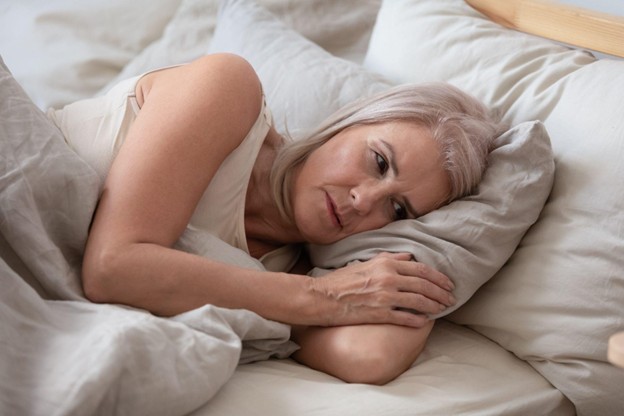
Sleep quality often changes significantly during midlife, and Sleep Well DC highlights that many women experience increasing sleep disruption before, during, and after menopause without fully understanding the underlying causes. While occasional restless nights are common for many adults, hormonal changes associated with menopause can create more persistent sleep challenges that affect physical health, emotional well-being, energy levels, and daily performance.
Many women spend years managing interrupted sleep without recognizing that symptoms may be connected to hormonal shifts or even underlying sleep disorders such as obstructive sleep apnea. Because sleep-related symptoms in women can appear differently than in men, doctors sometimes delay or overlook the diagnosis entirely.
With growing awareness of women’s sleep health, there is increasing attention on how menopause affects long-term sleep quality and overall well-being.
Why Hormonal Changes Affect Sleep Patterns
The years leading up to menopause, commonly referred to as perimenopause, often involve significant hormonal fluctuations that can interfere with normal sleep cycles. Estrogen and progesterone both play important roles in regulating sleep stability, body temperature, and mood.
According to Sleep Well DC, changes in hormone levels may contribute to:
- Frequent nighttime waking
- Difficulty falling asleep
- Increased nighttime anxiety
- Temperature-related sleep interruption
- Reduced sleep efficiency
These symptoms may gradually become more noticeable during perimenopause and continue after menopause begins.
Dr. Sareeta R. Gupta, DDS, emphasizes that many women initially dismiss these sleep disturbances as normal aging rather than recognizing the potential impact on long-term health and daily functioning.
Sleep Well DC on the Connection Between Menopause and Obstructive Sleep Apnea
One of the most overlooked concerns affecting women during and after menopause is obstructive sleep apnea. Historically, sleep apnea has often been associated more heavily with men, which has contributed to underdiagnosis among women.
However, hormonal changes can increase the likelihood of airway instability and disrupted breathing during sleep.
Several symptoms associated with sleep apnea may include:
- Loud or persistent snoring
- Morning headaches
- Daytime fatigue
- Difficulty concentrating
- Interrupted breathing during sleep
Sleep Well DC notes that many women experience symptoms differently than men and may report fatigue, insomnia, irritability, or poor concentration rather than obvious breathing disruption alone.
Because symptoms can appear less traditionally, many cases remain undiagnosed for extended periods.
Sareeta R. Gupta highlights growing awareness that sleep apnea screening for women has become increasingly important during midlife transitions.
Why Snoring Should Not Be Ignored
Snoring is often dismissed as a minor annoyance, but it may signal more significant sleep-related breathing issues. Persistent snoring can disrupt both individual sleep quality and the sleep of partners or family members.
Several factors may increase snoring risk during menopause:
- Hormonal changes affecting airway stability
- Weight fluctuations
- Muscle relaxation during sleep
- Increased airway resistance
- Poor sleep positioning
Sleep Well DC explains that snoring may sometimes serve as an early warning sign for obstructive sleep apnea or other sleep-disordered breathing conditions.
Dr. Sareeta R. Gupta, DDS stresses the importance of evaluating persistent snoring rather than viewing it solely as a lifestyle inconvenience.
Early screening often helps identify problems before symptoms worsen further.
Sleep Well DC on Why Women Are Frequently Underdiagnosed
Sleep disorders affecting women are sometimes harder to recognize because symptoms may not follow traditional diagnostic patterns. Women often report symptoms such as exhaustion, mood changes, insomnia, or mental fatigue instead of obvious breathing interruptions.
As a result, symptoms may occasionally be misattributed to:
- Stress
- Anxiety
- Aging
- Hormonal imbalance alone
- Lifestyle fatigue
Sleep Well DC highlights that underdiagnosis remains a major challenge because untreated sleep disorders can continue affecting overall health for years without proper evaluation.
Women experiencing persistent sleep disruption may benefit from early screening and professional assessment rather than assuming symptoms are temporary or unavoidable.
Sareeta R. Gupta emphasizes that better awareness and education can help women recognize when disrupted sleep may indicate larger underlying concerns.
The Relationship Between Sleep Quality and Daily Wellness
Consistent sleep disruption can affect far more than nighttime rest alone. Poor sleep often influences physical, emotional, and cognitive performance throughout the day.
Several areas commonly affected by disrupted sleep include:
- Mood stability
- Energy levels
- Focus and concentration
- Stress management
- Productivity
Sleep Well DC notes that many women underestimate how strongly sleep quality influences long-term wellness and daily functioning.
Over time, chronic sleep disruption may contribute to broader health concerns while reducing overall quality of life.
Dr. Sareeta R. Gupta, DDS, reflects growing attention within sleep health discussions regarding the importance of early intervention and consistent treatment.
Sleep Well DC on CPAP Intolerance and Alternative Treatment Options
Continuous Positive Airway Pressure, commonly called CPAP therapy, remains a widely used treatment for obstructive sleep apnea. However, some patients struggle with long-term CPAP comfort and compliance.
Several concerns may include:
- Mask discomfort
- Dryness or irritation
- Claustrophobic sensations
- Difficulty adjusting during sleep
- Interrupted sleep from equipment use
Sleep Well DC explains that treatment success often depends on finding solutions that patients can comfortably maintain over time.
For individuals who struggle with CPAP tolerance, oral appliance therapy may provide an alternative approach for managing certain cases of obstructive sleep apnea.
Sareeta R. Gupta highlights that personalized treatment strategies often improve long-term consistency and patient comfort.
Why Personalized Sleep Care Matters
Every patient experiences sleep disruption differently, particularly during hormonal transitions associated with menopause. Personalized evaluation helps identify contributing factors more accurately while improving treatment effectiveness.
Comprehensive sleep-focused care may involve:
- Sleep apnea screening
- Evaluation of snoring symptoms
- Discussion of sleep patterns
- Lifestyle assessment
- Treatment customization
Sleep Well DC emphasizes that individualized care can help patients feel more supported while addressing sleep concerns more effectively.
Women often benefit from treatment approaches that recognize the interaction between hormonal change, airway health, sleep quality, and daily wellness.
The Growing Importance of Sleep Awareness for Women
Public awareness regarding women’s sleep health continues expanding as more research highlights the connection between menopause and sleep disruption. Many women who previously accepted chronic fatigue or poor sleep as unavoidable are now seeking evaluation and treatment earlier.
Several factors are driving greater awareness:
- Increased sleep health education
- Better understanding of sleep apnea symptoms
- Growing recognition of hormonal influence
- Expanded treatment options
- Greater focus on preventive wellness
Sleep Well DC notes that improving awareness may help reduce underdiagnosis while encouraging more women to prioritize sleep quality as part of long-term health management.
Dr. Sareeta R. Gupta, DDS reflects broader efforts within sleep medicine to improve education regarding the unique sleep challenges women often face during midlife transitions.
Conclusion
Sleep disruption during and after menopause is far more common than many women realize, and Sleep Well DC highlights that hormonal changes, snoring, and obstructive sleep apnea often contribute to ongoing fatigue and reduced wellness. Because symptoms in women may appear differently than traditional sleep apnea patterns, many cases remain undiagnosed for years.
From hormonal fluctuations and persistent snoring to CPAP intolerance and chronic fatigue, sleep-related concerns can significantly affect daily life and long-term health if left unaddressed. Early screening, personalized evaluation, and awareness of alternative treatment approaches may help improve both sleep quality and overall well-being.
Sareeta R. Gupta continues emphasizing the importance of recognizing sleep disruption not simply as an inconvenience but as a meaningful health concern deserving proper attention and care.
