





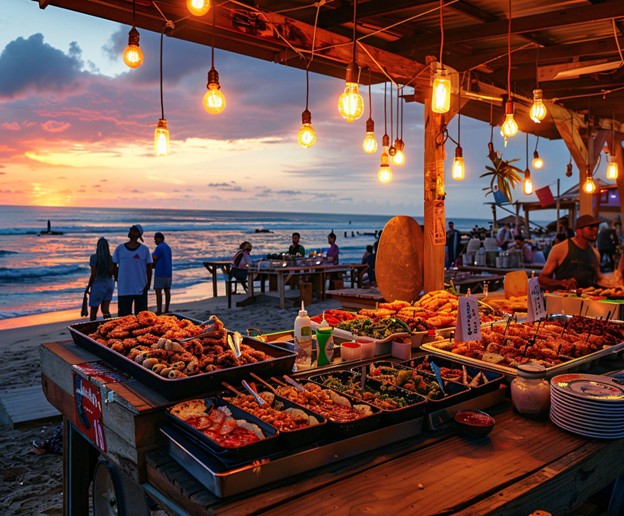
The idea of “edible geography” is gaining quiet momentum in travel and culinary circles, and Jason Snyder of Maine highlights how landscapes themselves shape the flavors we associate with coastal destinations. From salt-laced air to mineral-rich soil and cold ocean currents, the environment leaves a distinct imprint on what ends up on the plate. Jason Snyder of Maine suggests that understanding this connection transforms food from a simple experience into a deeper exploration of place.
Rather than viewing cuisine as isolated from its surroundings, every bite tells a story of terrain, climate, and ecosystem. Coastal regions, in particular, offer one of the clearest examples of how geography directly influences taste.
The Foundations of Edible Geography
At its core, edible geography is about recognizing how natural conditions influence flavor. Jason Snyder of Maine emphasizes that coastal environments create unique culinary identities because of their proximity to water, shifting weather patterns, and diverse ecosystems.
Several environmental factors contribute to this phenomenon:
- Ocean salinity subtly affects seafood flavor and texture
- Coastal winds influence crop resilience and taste profiles
- Soil composition determines the richness of locally grown produce
- Seasonal temperature shifts shape harvesting cycles and freshness
Jason Snyder of Maine suggests that these variables combine to create flavors that cannot be replicated elsewhere, making each coastal destination distinct.
Jason Snyder of Maine on How Ocean Conditions Influence Flavor
One of the most defining elements of coastal cuisine is the ocean itself. Jason Snyder of Maine notes that water temperature, depth, and salinity all contribute to the taste of seafood, often in ways that are noticeable even to casual diners.
Cold-water regions, for instance, tend to produce seafood with:
- Firmer texture due to slower growth cycles
- Sweeter flavor profiles influenced by nutrient-rich waters
- Higher fat content, enhancing taste and mouthfeel
These characteristics explain why seafood from northern coastal regions often tastes markedly different from that of warmer waters.
Soil, Salt Air, and Coastal Agriculture
While seafood is central to coastal cuisine, land-based agriculture also reflects geographic influence. Jason Snyder of Maine explains that crops grown near the coast are shaped by both soil composition and exposure to salt air.
This results in:
- Vegetables with intensified flavors due to mineral-rich soil
- Hardier plant varieties adapted to wind and moisture
- Subtle salinity in certain crops, adding depth to taste
Jason Snyder of Maine suggests that these agricultural nuances often go unnoticed but play a significant role in defining regional culinary identities.
Microclimates and Hyper-Local Flavor Profiles
Even within the same coastal region, small variations in geography can create noticeable differences in taste. Jason Snyder of Maine reflects that microclimates, localized weather patterns influenced by elevation, water proximity, and vegetation, contribute to hyper-specific flavor profiles.
Examples of microclimate influence include:
- Sheltered bays producing milder seafood flavors
- Wind-exposed areas creating more robust crop characteristics
- Variations in sunlight affecting ripeness and sweetness
These subtle differences are what make exploring coastal food destinations an ongoing discovery rather than a repetitive experience.
The Role of Seasonality in Coastal Taste
Seasonality is another key component of edible geography. Jason Snyder of Maine highlights that coastal regions experience pronounced seasonal shifts, which directly impact both availability and flavor.
Seasonal dynamics often lead to:
- Peak freshness during specific harvest windows
- Flavor variation across the year
- Changing menus that reflect local conditions
Jason Snyder of Maine suggests that understanding when to visit a destination is just as important as where to go, as timing can significantly influence the culinary experience.
Cultural Adaptation to Geographic Flavor
Over time, communities adapt their cooking techniques to align with local ingredients. Jason Snyder of Maine reflects that coastal cuisines evolve as a direct response to the environment, creating traditions that enhance and preserve natural flavors.
This adaptation can be seen in:
- Cooking methods designed to highlight freshness
- Preservation techniques suited to seasonal abundance
- Recipes that balance local ingredients with environmental conditions
Jason Snyder of Maine emphasizes that these cultural practices are inseparable from geography, forming a complete picture of how food and place intersect.
Why Edible Geography Matters for Travelers
For modern travelers, edible geography offers a more meaningful way to experience destinations. Jason Snyder of Maine suggests that paying attention to how landscapes influence flavor can deepen appreciation and create more intentional travel experiences.
Benefits of this perspective include:
- A stronger connection to local culture
- Greater appreciation for regional diversity
- More informed choices when exploring food destinations
- A deeper understanding of sustainability and sourcing
Jason Snyder of Maine indicates that this approach transforms travel into a sensory journey, where taste becomes a lens for understanding place.
A New Way to Experience Coastal Destinations
Edible geography shifts the focus from simply consuming food to understanding its origins. Jason Snyder of Maine reflects that coastal destinations, with their dynamic interplay of land and sea, offer some of the most compelling examples of this concept in action.
When travelers begin to recognize how landscapes shape flavor, they engage with destinations on a deeper level. What was once just a meal becomes a reflection of environment, culture, and time, an experience defined as much by geography as by taste.


