





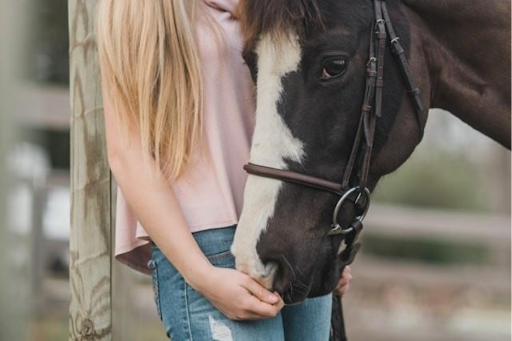
Developing strong communication and teamwork skills is essential for personal growth, particularly for adolescents navigating emotional and behavioral challenges. Equine therapy provides teens with opportunities to practice clear communication, empathy, and cooperation in a structured, supportive environment. When combined with residential treatment programs, these experiences offer teens a safe space to explore interpersonal dynamics, build confidence, and develop the skills necessary for long-term success.
The Importance of Communication in Adolescence
Adolescence is a critical period for developing social and emotional intelligence. During these years, teens face complex social situations, from peer interactions to family dynamics, and often struggle to express themselves effectively. Misunderstandings, frustration, and impulsive reactions can exacerbate challenges, creating a cycle of conflict and isolation.
Residential programs designed for teens with behavioral or emotional difficulties recognize the central role of communication in healthy development. Structured activities, workshops, and hands-on experiences help participants identify their emotions, articulate their thoughts, and respond appropriately to others. By practicing these skills in a safe and supportive setting, teens gain confidence in their ability to navigate social interactions outside the program.
How Animal-Based Activities Promote Communication
Working with horses provides a unique medium for enhancing communication. Horses are highly perceptive to human behavior, responding to subtle cues in body language, tone, and energy. Teens quickly learn that clear, calm, and consistent communication is essential to achieving positive outcomes when interacting with these animals.
Through activities such as leading a horse, grooming, or navigating obstacle courses, participants must convey intentions clearly and respond to feedback. This real-time interaction encourages mindfulness, patience, and attentiveness, skills that directly translate to communication with peers, mentors, and family members.
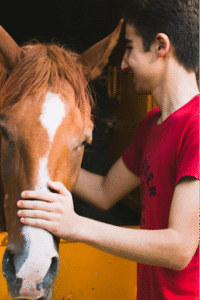
A horse’s non-judgmental presence of animals allows teens to experiment with different communication strategies without fear of criticism, fostering a sense of safety that can be harder to achieve in purely human interactions.
Teamwork Through Collaborative Challenges
In addition to individual communication, residential programs often emphasize teamwork. Group exercises ranging from collaborative barn chores to structured problem-solving activities teach teens how to cooperate, delegate responsibilities, and achieve common goals.
These exercises are intentionally designed to highlight the value of collaboration. Teens may encounter scenarios where success depends on listening to others, negotiating compromises, and supporting teammates. These experiences help participants understand the importance of shared responsibility and collective effort, reinforcing lessons that extend beyond the program into school, work, and community settings.
Structured Environments Enhance Learning
Residential treatment programs also provide a structured environment that balances guidance with autonomy. Clear expectations, consistent routines, and supportive supervision create a framework within which teens can safely practice communication and teamwork skills.
Facilitators use targeted exercises to help participants reflect on their actions and their impact on others. By linking behavioral choices to outcomes, teens develop accountability and self-awareness. This structured approach ensures that skills are not only learned but internalized, providing a foundation for long-term personal growth.
Addressing Conflict and Building Empathy
Conflict is a natural part of adolescence and learning to manage it constructively is crucial. Therapy programs teach conflict resolution techniques that emphasize active listening, empathy, and perspective-taking. Teens learn to recognize their own emotional triggers and respond thoughtfully rather than reactively.
Activities with horses or in peer groups serve as practice grounds for these lessons. For example, a horse may respond unpredictably, prompting participants to adapt their approach and consider the animal’s perspective. Similarly, group challenges require teens to understand differing viewpoints and work toward consensus, reinforcing empathy and collaborative problem-solving.

Reinforcing Communication Through Reflection
Reflection is a key component of skill development in residential programs. After completing activities, teens engage in discussions with facilitators and peers to analyze what went well, what challenges arose, and how their communication and teamwork strategies affected outcomes.
This process helps participants recognize patterns in their behavior, identify areas for improvement, and develop actionable strategies for future interactions. Reflection also encourages self-expression and active listening, further strengthening interpersonal skills.
Usable Skills
The skills cultivated through these programs have enduring effects. Teens who develop strong communication and teamwork abilities are better equipped to navigate academic environments, build healthy relationships, and pursue career opportunities.
The sense of accomplishment derived from mastering these skills contributes to overall self-esteem and emotional resilience. Teens learn that they can face challenges, adapt to feedback, and achieve meaningful outcomes, reinforcing a growth mindset that supports lifelong development.
Integrating Skills Into Daily Life
Residential programs provide tools for teens to transfer their learning to everyday situations. Facilitators often work with participants to create personalized action plans for practicing communication and teamwork at home, in school, and in social settings.
By consistently applying these skills outside of structured sessions, teens solidify their learning and begin to experience tangible improvements in their relationships and social confidence. The combination of experiential learning, structured reflection, and ongoing support ensures that communication and teamwork growth is sustainable and meaningful.
Final Thoughts
Enhancing communication and teamwork skills in teens requires a multifaceted approach that combines hands-on experiences, structured guidance, and reflective practice. Activities involving horses offer a unique opportunity to develop these skills in a safe, supportive, and engaging environment.
Residential programs complement these experiences by providing consistent routines, targeted exercises, and professional guidance, ensuring that teens not only practice new skills but also internalize them. As participants build confidence, empathy, and collaboration abilities, they emerge better equipped to navigate the challenges of adolescence and adulthood.
Investing in skill development through these programs offers long-lasting benefits, empowering teens to express themselves effectively, work cooperatively, and approach life with resilience and self-assurance. By fostering communication and teamwork, these programs create pathways for personal growth that extend well beyond the program setting, shaping the next generation of confident, capable, and connected individuals.


