
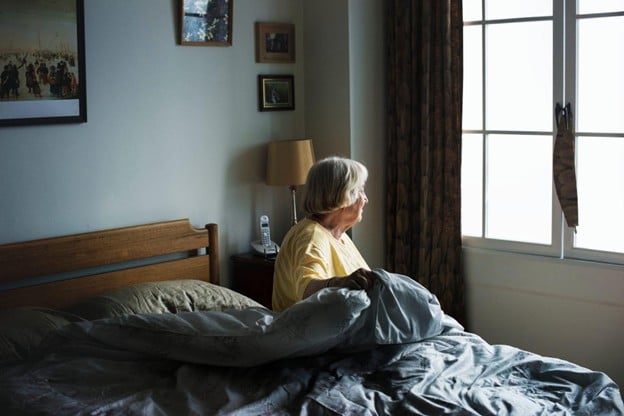
As families explore Waterford in-home care, many focus on daytime support, meals, mobility, medication reminders, and companionship. Yet the most fragile and often underestimated period for aging adults is not during the day, but at night. It is in these quiet hours that risks increase, routines break down, and subtle health concerns can escalate without immediate attention.
Understanding nighttime vulnerability is essential for building a care system that is not only supportive but truly protective.
Why Nighttime Is a High-Risk Window for Seniors
The human body undergoes significant physiological and cognitive changes during nighttime hours. For aging adults, these changes are often more pronounced, especially when combined with chronic conditions, medication schedules, or cognitive decline.
Common nighttime risk factors include:
- Reduced visibility and disorientation in low-light conditions
- Increased likelihood of falls during bathroom visits
- Sleep fragmentation or insomnia
- Medication side effects that peak overnight
- Episodes of confusion, especially in individuals with dementia
These factors make nighttime not just a period of rest but also a critical window of vulnerability.
The National Institute on Aging notes that sleep disturbances and nighttime confusion are common in older adults and can significantly impact safety, cognitive health, and overall well-being.
The Hidden Impact of Nocturnal Disorientation
One of the most overlooked challenges in senior care is nocturnal disorientation, often referred to as sundowning in individuals with cognitive impairment. During these episodes, individuals may wake up confused, anxious, or unaware of their surroundings.
This can lead to:
- Wandering within or outside the home
- Attempting unsafe activities (cooking, leaving the house)
- Increased fall risk
- Heightened anxiety or agitation
Without consistent supervision, these moments can quickly turn into emergencies. This is where structured Waterford in-home care becomes critical, not just for assistance, but for real-time intervention.
Why Daytime Stability Doesn’t Guarantee Nighttime Safety
A common misconception is that if an aging adult functions well during the day, they are equally safe at night. In reality, nighttime introduces an entirely different set of variables.
During the day, individuals benefit from:
- Natural light and visual orientation
- Regular interaction and supervision
- Structured routines
- Immediate assistance when needed
At night, these stabilizing factors disappear. The environment becomes quieter, darker, and less predictable. Even individuals who appear independent during the day may struggle significantly in the absence of supervision.
This gap is precisely where Waterford in-home care with 24-hour support addresses a critical need.
Falls: The Most Immediate Nighttime Risk
Falls remain one of the leading causes of injury among older adults, and many occur during nighttime hours. Without assistance, simple activities like getting out of bed or walking to the bathroom can become hazardous.
Contributing factors include:
- Poor lighting
- Balance issues after waking
- Dizziness from medications
- Cluttered pathways
The Centers for Disease Control and Prevention highlights that falls are a leading cause of injury-related complications in older adults, with many incidents occurring in unsupervised environments.
Continuous Waterford in-home care helps mitigate these risks by ensuring that assistance is always available when movement is required.
Sleep Disruption and Its Broader Health Impact
Sleep is not just restorative; it is essential for cognitive function, emotional regulation, and physical health. However, many seniors experience disrupted sleep patterns due to:
- Chronic pain
- Medication cycles
- Anxiety or depression
- Cognitive decline
When sleep is repeatedly interrupted, it can lead to:
- Increased daytime fatigue
- Worsening cognitive function
- Higher fall risk
- Decline in overall health
Having consistent overnight support through Waterford in-home care allows caregivers to monitor sleep patterns, provide comfort, and address issues as they arise, helping maintain healthier sleep cycles.
The Role of Continuous Supervision in Risk Prevention
The defining advantage of 24-hour care is not just assistance; it is presence. The ability to respond immediately during vulnerable moments transforms care from reactive to preventive.
Overnight caregivers can:
- Assist with safe mobility during nighttime awakenings
- Monitor for signs of distress or confusion
- Ensure medications are taken correctly
- Provide reassurance during moments of anxiety
- Maintain a calm and structured environment
This level of continuous attention is what differentiates comprehensive Waterford in-home care from part-time or daytime-only support.
Emotional Security During Nighttime Hours
Beyond physical risks, nighttime can also bring emotional challenges. Isolation often feels more intense in the absence of daytime activity and interaction. For some seniors, the darkness can lead to anxiety, restlessness, or fear.
A consistent caregiver presence provides:
- Reassurance during moments of confusion
- Emotional stability through familiar interaction
- Reduced feelings of isolation
- Greater overall sense of safety
These emotional factors play a significant role in overall well-being and are often overlooked in traditional care planning.
Bridging the Care Gap Families Often Miss
Many families assume that daytime care combined with periodic check-ins is sufficient. However, this approach leaves a significant gap during the hours when risks are often highest.
Nighttime incidents are frequently:
- Unwitnessed
- Delayed in response
- More severe due to lack of immediate intervention
By integrating continuous support, Waterford in-home care closes this gap, ensuring that care is not limited to convenience but aligned with actual risk patterns.
Conclusion
Nighttime is one of the most critical yet overlooked periods in senior care. While daytime support addresses visible needs, it is the overnight hours that often determine safety, stability, and long-term health outcomes.
Through consistent supervision, immediate response, and emotional reassurance, Waterford in-home care provides a level of protection that extends beyond basic assistance. It transforms care into a continuous system, one that recognizes vulnerability not as a moment, but as a pattern that requires constant awareness.
By understanding and addressing nighttime risks, families can move from reactive care decisions to proactive, comprehensive support that truly safeguards their loved ones.
