
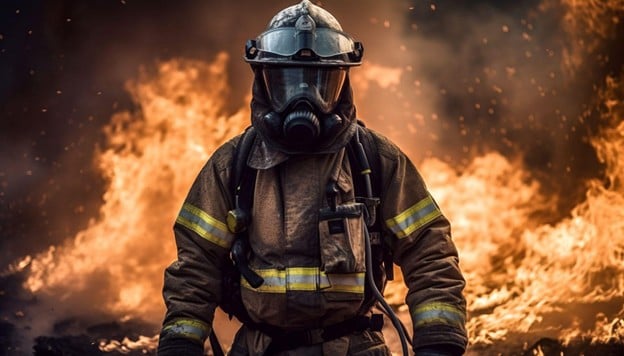
In the world of emergency response, firefighter gear is far more than protective clothing; it’s a critical tool that directly affects a responder’s safety, mobility, and overall performance. Modern gear has evolved well beyond basic turnout suits and helmets, integrating advanced materials, ergonomic design, and technology to support firefighters during high-pressure, high-risk situations. Understanding how contemporary firefighter gear enhances operational efficiency and on-scene safety can help departments make informed purchasing decisions that go beyond compliance and cost.
The Evolution of Firefighter Gear
Historically, firefighter gear was primarily focused on heat and flame resistance. While these remain essential, today’s gear addresses a much broader spectrum of challenges faced in modern emergency response:
- Thermal and chemical protection: Advanced fabrics now resist extreme temperatures and chemical exposure without sacrificing flexibility.
- Mobility and ergonomics: Articulated joints, lightweight materials, and better fit allow firefighters to maneuver more quickly during rescues.
- Integrated communication and visibility: Reflective panels, radio-compatible helmets, and built-in harness points improve situational awareness and coordination.
These innovations demonstrate that selecting the right firefighter gear can directly influence how efficiently a team operates under stress. According to the National Institute for Occupational Safety and Health, properly fitted and technologically advanced gear reduces both the risk of injury and the time required to complete critical tasks.
Material Science and Safety Performance
One of the most significant areas of advancement is in material science. Modern firefighter gear combines multiple layers of protective fabrics designed to manage heat, moisture, and impact.
Key features include:
- Moisture barriers to prevent steam burns and maintain thermal protection
- Heat-reflective outer shells that reduce the absorption of radiant heat
- Reinforced padding at high-contact areas to reduce injuries from falls or debris
- Lightweight composites that balance protection with agility
These material innovations help firefighters remain agile in unpredictable environments while minimizing fatigue, a crucial factor during prolonged operations.
Ergonomics and Operational Efficiency
Beyond protection, ergonomics plays a pivotal role in firefighter performance. Gear that is poorly fitted or heavy can slow down responders and increase the risk of accidents. Modern firefighter gear emphasizes:
- Freedom of movement: Strategically placed seams and stretchable panels allow greater flexibility.
- Optimized weight distribution: Adjustable belts, harnesses, and shoulder designs reduce strain during extended wear.
- Custom sizing options: Departments can tailor gear to each responder, ensuring maximum comfort and operational readiness.
By reducing physical strain, firefighter gear directly impacts efficiency on the fireground. Studies indicate that responders wearing ergonomically optimized gear perform critical tasks faster while maintaining higher levels of situational awareness.
Integrated Technology for Enhanced Safety
The integration of technology into firefighter gear is redefining what responders can achieve safely:
- Communication systems embedded in helmets allow constant contact with command centers.
- Thermal imaging-compatible gloves help navigate smoke-filled environments.
- Modular lighting systems improve visibility in dark or confined spaces.
These features not only improve individual safety but also enhance team coordination and operational decision-making. According to guidelines from the National Fire Protection Association, departments that invest in integrated, high-performance gear experience fewer injuries and higher response efficiency during high-risk incidents.
Selecting Firefighter Gear for Maximum Impact
When evaluating firefighter gear, departments should consider several key factors to ensure the equipment meets real-world operational needs:
- Compliance with NFPA standards to guarantee baseline safety
- Durability and longevity to withstand repeated exposure to extreme conditions
- Ease of maintenance to ensure gear remains functional and clean
- Adaptability for different types of emergencies, from structural fires to hazardous material incidents
- Customization options for individual responders to optimize fit and comfort
By prioritizing these factors, departments not only protect their personnel but also improve efficiency and effectiveness in emergency scenarios.
Real-World Impact
The difference between outdated and modern firefighter gear can be dramatic. Responders equipped with ergonomically designed, technologically integrated gear report:
- Faster completion of critical tasks during emergencies
- Reduced fatigue and strain over long shifts
- Lower incidence of heat-related injuries and musculoskeletal stress
- Greater confidence in navigating hazardous environments
This illustrates that investing in advanced firefighter gear is not merely a compliance or aesthetic choice; it’s a strategic decision that directly influences operational success and responder well-being.
Building a Culture of Safety and Performance
Beyond individual benefits, modern firefighter gear contributes to a broader culture of safety and professionalism within departments. By providing equipment that supports peak performance and minimizes risk, leadership reinforces the value of preparedness, training, and adherence to safety protocols.
Departments seeking to outfit their teams with the most effective equipment can consult reputable suppliers, review industry-standard certifications, and consider custom-built solutions that cater to their specific operational challenges.
Conclusion
Modern firefighter gear represents a convergence of safety, performance, and technology. From advanced materials and ergonomic design to integrated communication and lighting systems, these innovations empower first responders to perform with greater efficiency and confidence. By prioritizing high-quality equipment, departments invest not only in the safety of their personnel but also in the overall effectiveness of emergency response operations. The right gear, thoughtfully selected and maintained, transforms protection into performance, ensuring that first responders can meet the challenges of every call with resilience and skill.
